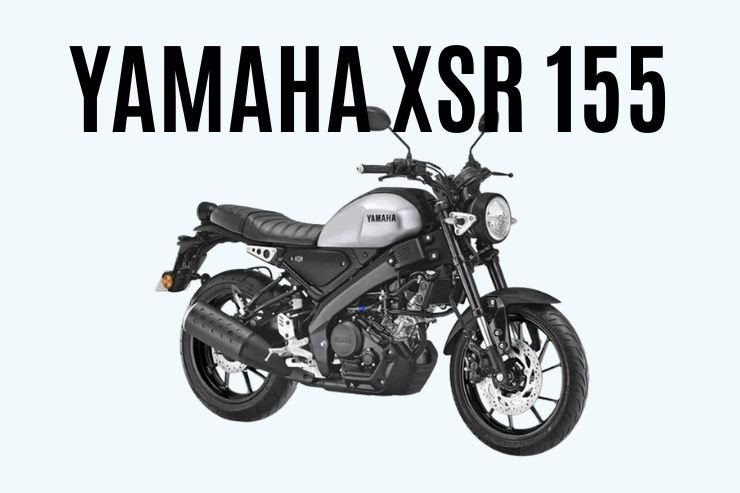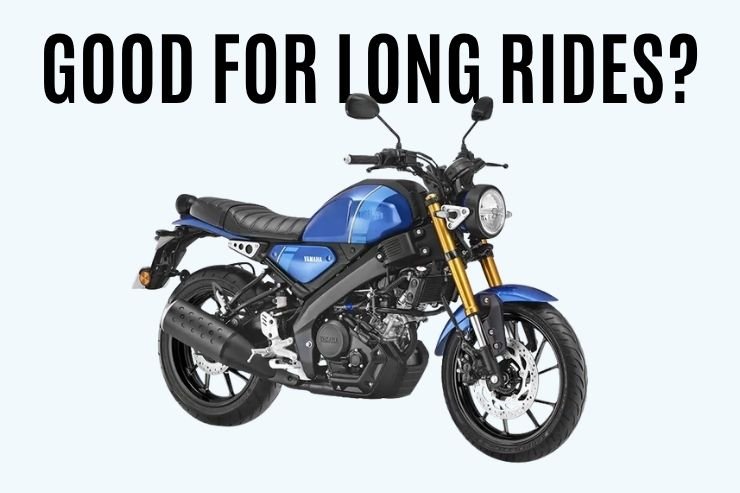
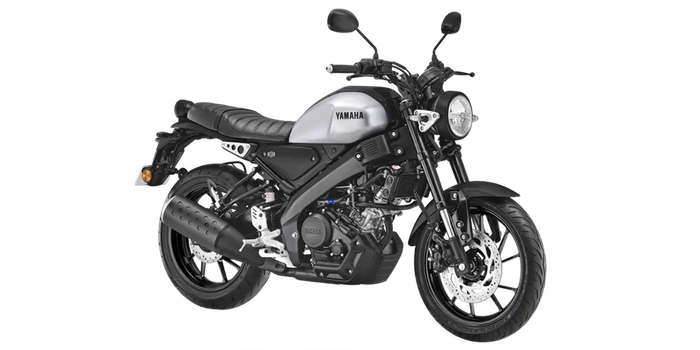
The Yamaha XSR 155 is one of the most exciting modern-retro bikes in India, combining classic styling with a performance-oriented engine borrowed from the R15 and MT-15. But while it looks stunning and performs well, many riders ask:
Is the Yamaha XSR 155 actually suitable for long rides?
The short answer is yes—but with a few compromises. Let’s break it down in detail.
Engine Performance for Highway Riding
The Yamaha XSR 155 is powered by a 155cc liquid-cooled engine with VVA technology, producing 18.4 PS power and 14.2 Nm torque.
This engine is one of the strongest in the 150cc segment and is known for:
- Smooth and refined performance
- Strong mid-range power
- High-revving nature
On highways, the bike can comfortably cruise at 80–100 km/h, and it feels stable at these speeds.
Verdict: The engine is more than capable for long-distance riding, especially for solo riders.
Comfort & Riding Position
The XSR 155 offers a slightly sporty yet relaxed riding posture compared to aggressive bikes like the R15.
- Upright handlebar (more comfortable than sports bikes)
- Slight forward lean
- Neutral ergonomics
It is more comfortable than a fully sporty bike, but not as relaxed as a touring-focused motorcycle.
The seat is decently padded and works well for medium distances, but on very long rides (300+ km), some riders may feel fatigue.
Verdict: Good comfort for weekend rides, but not the best for extreme long-distance touring.
Lightweight & Easy Handling
One of the biggest advantages of the XSR 155 is its lightweight body (around 137 kg)
This makes it:
- Easy to control on highways
- Fun on twisty roads
- Less tiring on long rides
Compared to heavier bikes, the XSR 155 feels nimble and confidence-inspiring.
Verdict: Excellent handling makes long rides easier and more enjoyable.
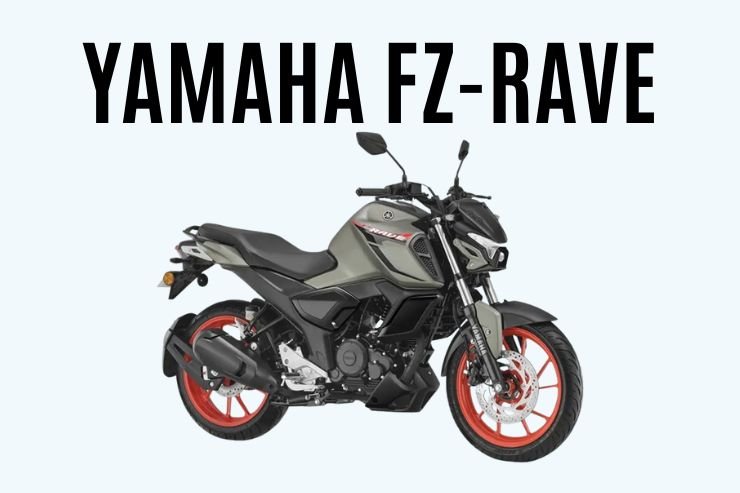
Related: Why Yamaha FZ Is Still a Top Choice for Indian Riders
Mileage & Fuel Range
Fuel efficiency is a strong point of the XSR 155.
- Mileage: 45–50 km/l
- Fuel tank: 10 litres
This gives a practical range of around 400–450 km per tank, which is quite impressive for touring.
Verdict: Great mileage + decent range = fewer fuel stops on long rides.
Suspension & Ride Quality
The suspension setup is tuned more towards sporty performance than comfort.
- Front suspension handles bumps well
- Rear suspension feels slightly firm
On smooth highways, the ride is comfortable, but on rough roads, the stiffness can be noticeable.
Verdict: Good for highways, slightly uncomfortable on bad roads.
Touring Practicality
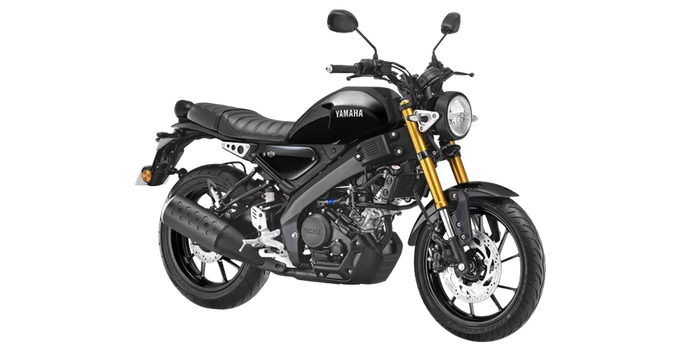
Touring is not just about performance—it’s also about practicality.
Pros:
- Lightweight and easy to ride
- Reliable Yamaha engine
- Good fuel efficiency
Cons:
- Small fuel tank compared to touring bikes
- Limited luggage mounting options
- Average pillion comfort
The XSR 155 is clearly better suited for solo touring rather than riding with a passenger.
Verdict: Good for solo riders, not ideal for heavy touring setups.
Related: Is Suzuki V-Strom 250 SX Good for Long Rides?
Real-World Touring Experience
In real-world conditions, the XSR 155 performs quite well on long rides.
- Can comfortably handle 300–500 km rides
- Maintains stable cruising speeds
- Minimal vibrations at highway speeds
Many riders report that cruising at 100 km/h is easy and smooth, which makes it suitable for highway travel.
Verdict: A capable touring bike within its limits.
Pros & Cons for Long Rides
Pros:
- Powerful and refined engine
- Lightweight and agile
- Good mileage and fuel range
- Fun riding experience
Cons:
- Firm seat for long hours
- Slightly sporty ergonomics
- Stiff rear suspension
- Not ideal for pillion touring
Who Should Use XSR 155 for Long Rides?
Ideal for:
- Solo riders
- Weekend touring enthusiasts
- Riders who prefer lightweight bikes
- People who enjoy sporty riding
Not ideal for:
- Riders looking for maximum comfort
- Frequent pillion touring
- Hardcore touring (1000+ km regularly)
Key Highlights (Yamaha XSR 155)
| Engine Type | Single-cylinder, liquid-cooled, 4-stroke, SOHC, 4-valve |
| Displacement | 155 cc |
| Maximum Power | 18.4 PS @ 10,000 rpm |
| Maximum Torque | 14.2 Nm @ 7,500 rpm |
| Fuel System | Fuel Injection |
| Transmission | 6-speed gearbox |
| Clutch | Assist & Slipper Clutch |
| Fuel Tank Capacity | 10 litres |
| Kerb Weight | 137 kg |
| Seat Height | 810 mm |
| Braking System | Dual Channel ABS |
| Ground Clearance | 170 mm |
Yamaha XSR 155 Price
Starts at ₹ 1.49 Lakh (Ex-Showroom, Delhi)
Yamaha XSR 155 Mileage
Around 45–50 km/l
Final Verdict
So, is the Yamaha XSR 155 good for long rides?
Yes, but it’s not a dedicated touring bike.
The XSR 155 is perfect for:
- Weekend rides
- Occasional long trips
- Riders who enjoy a sporty feel
But if your priority is maximum comfort for long-distance touring, you may want to consider bigger bikes.
FAQs: Is Yamaha XSR 155 Good for Long Rides?
1. Is Yamaha XSR 155 suitable for long-distance touring?
Yes, the Yamaha XSR 155 is suitable for long-distance touring, especially for solo riders. It offers a smooth engine, good mileage, and stable highway performance, making it capable for rides of 300–500 km.
2. What is the cruising speed of Yamaha XSR 155 on highways?
The Yamaha XSR 155 can comfortably cruise at 80–100 km/h on highways without much vibration, making it suitable for long rides.
3. Is the Yamaha XSR 155 comfortable for long rides?
The XSR 155 offers decent comfort, but its slightly sporty posture and firm seat may cause fatigue on very long rides. It is better suited for medium-distance touring.
4. What mileage does Yamaha XSR 155 give on long rides?
The Yamaha XSR 155 delivers around 45–50 km/l on highways, depending on riding style, which provides a good range for touring.
5. Is Yamaha XSR 155 good for riding with a pillion on long trips?
The XSR 155 is not ideal for long rides with a pillion due to limited seat comfort and space. It is better suited for solo touring.
Would you take the Yamaha XSR 155 on a long road trip or prefer a bigger touring bike?
Comment your opinion below!
Discover more from BikeNYou
Subscribe to get the latest posts sent to your email.