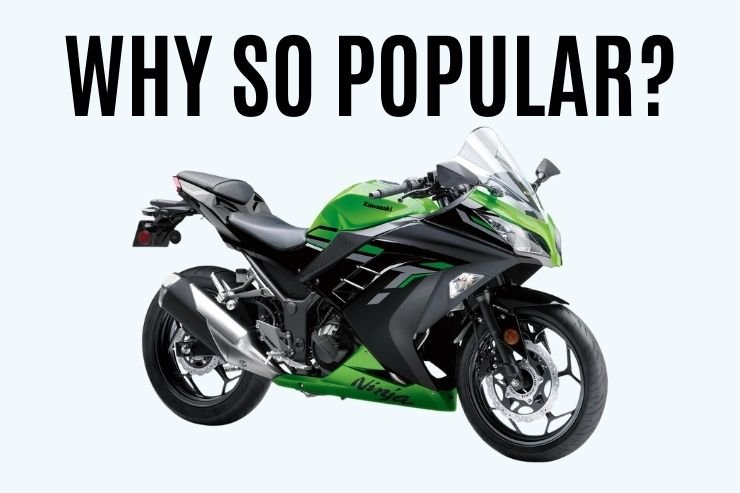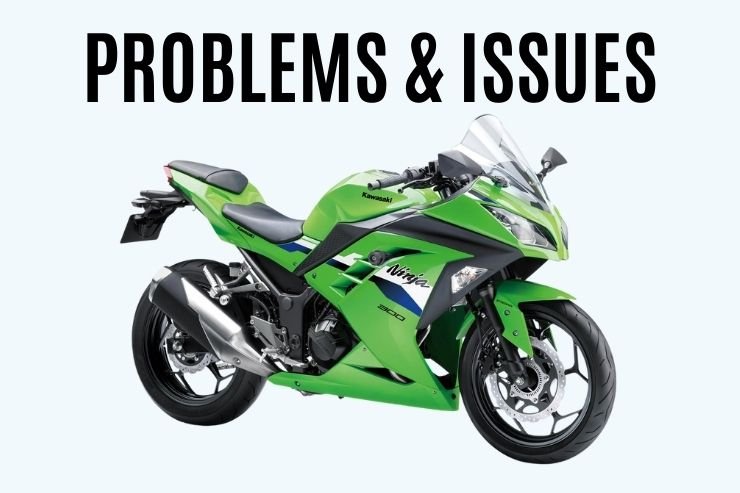
The Kawasaki Ninja 300 is loved for its smooth parallel-twin engine, big-bike feel, and touring capability. However, like any motorcycle — especially one that has been around for years — it isn’t without its flaws. While most owners are satisfied with the overall experience, long-term ownership has revealed a few common problems and pain points that prospective buyers should be aware of.
If you’re planning to buy a new or used Ninja 300, or already own one, here’s a realistic look at the issues Ninja 300 owners commonly face in India.
1. High Service & Maintenance Costs
One of the most talked-about issues is the cost of ownership.
What owners experience:
- Regular service costs higher than single-cylinder rivals
- Expensive engine oil and genuine parts
- Labour charges at Kawasaki service centres
The Ninja 300’s twin-cylinder engine requires more maintenance than bikes like the KTM RC 390 or Yamaha R15. While reliability is good, running costs can surprise first-time big-bike buyers.
Who it affects most: Budget-conscious riders and daily commuters.
2. Overheating in Heavy Traffic
In Indian city conditions, Ninja 300 owners often report engine heat, especially during slow-moving traffic.
Common symptoms:
- Strong heat felt near legs and thighs
- Radiator fan running frequently
- Uncomfortable rides in summer traffic
This isn’t a defect but a result of:
- Fully faired design
- Liquid-cooled parallel-twin engine
- Indian traffic + high ambient temperatures
Tip: The bike feels perfectly fine on highways — the problem mainly appears in city congestion.
3. Clutch & Gearbox Issues (Early Models)
Older Ninja 300 models were known to suffer from clutch-related complaints, particularly:
- Hard clutch feel
- Premature clutch wear
- Gear shifts feeling notchy over time
Kawasaki addressed this in later updates, but used bike buyers should inspect:
- Clutch smoothness
- Gear engagement
- Any slipping under acceleration
Good news: With proper riding habits and timely maintenance, this issue is manageable.
4. Expensive Spare Parts
Another frequent concern is spare part pricing.
Examples:
- Fairing panels are costly
- Headlamp and mirrors are expensive
- Brake components cost more than Indian brands
Even minor accidents or drops can result in unexpected repair bills, especially due to imported parts.
Tip for owners: Consider frame sliders and crash protection early.
5. Outdated Features Compared to Rivals
While the Ninja 300 still rides beautifully, many owners feel it’s behind the times in features.
What it lacks:
- TFT display
- Ride modes
- Traction control
- Smartphone connectivity
- Modern electronics
In contrast, rivals like the KTM RC 390 and TVS Apache RR 310 offer far more tech at similar or lower prices.
Impact: Tech-savvy riders may feel short-changed.
6. Pricing Feels High for What It Offers
Even fans admit that the Ninja 300 is expensive for its segment, especially in India.
Common owner sentiment:
“Great bike, but overpriced.”
Reasons:
- Minimal updates over the years
- No major feature upgrades
- Strong competition offering better value
This has pushed many buyers toward the used market, where the Ninja 300 makes far more financial sense.
7. Limited Low-End Torque in City Riding
The Ninja 300 loves revs, but at low speeds:
- Requires frequent gear changes
- Feels less punchy than single-cylinder rivals
- Not ideal for stop-and-go traffic
This isn’t a flaw — it’s the nature of a parallel-twin — but riders upgrading from torquey singles may need time to adjust.
8. Service Network Limitations
While Kawasaki’s service quality is generally good, its network is limited compared to Indian brands.
Owners in smaller cities face:
- Long travel for servicing
- Appointment delays
- Dependence on authorised centres
For touring riders, this can be a concern in remote regions.
9. Ageing Design for Some Buyers
Although many still love the Ninja 300’s looks, some buyers feel:
- The design hasn’t changed much
- Newer bikes look more aggressive
- Interior console feels dated
This is subjective — some see it as timeless, others as old.
Are These Deal-Breakers? Not Really
Despite these issues, it’s important to note:
- The Ninja 300 engine is extremely reliable
- Build quality is solid
- Highway performance is excellent
- Comfort beats many sportbikes
- Owner satisfaction remains high
Most problems are ownership-related compromises, not reliability failures.
What Buyers Should Check (Especially Used Bikes)
If you’re buying a pre-owned Ninja 300, always check:
- Clutch condition
- Smooth gear shifts
- Cooling fan behaviour
- Service history
- Fairing alignment
- Tyre and brake wear
A well-maintained Ninja 300 is still a fantastic machine.
Final Verdict
The Kawasaki Ninja 300 isn’t perfect — but it doesn’t need to be.
Its common issues revolve around:
- Cost
- Heat
- Features
- Urban usability
Yet, its engine refinement, smoothness, reliability, and big-bike feel continue to outweigh these drawbacks for many riders.
If you understand what you’re getting into — and can live with its compromises — the Ninja 300 remains a deeply satisfying sportbike in India.
Discover more from BikeNYou
Subscribe to get the latest posts sent to your email.