Ask any rider about motorcycle safety, and the most common answer you’ll hear is: “I wear a helmet, that’s enough.”
While wearing a helmet is absolutely essential, the truth is — a helmet alone is not enough for complete motorcycle safety.
Let’s break down why a helmet is critical, where it falls short, and what riders should really do to stay safe on Indian roads.
Why Helmets Are Non-Negotiable
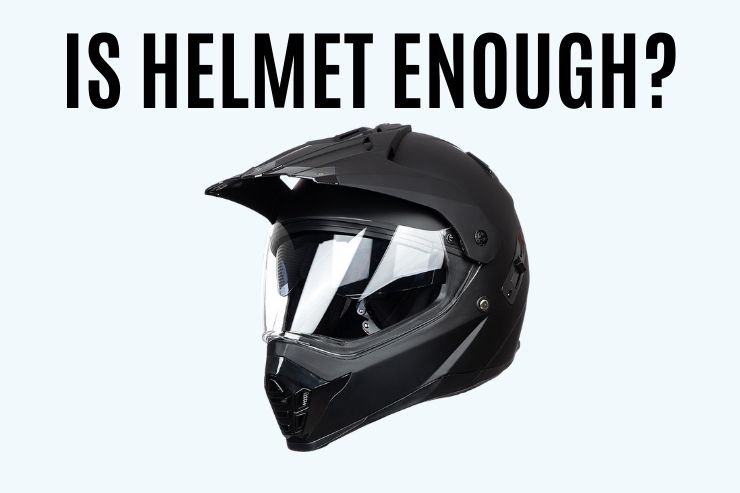
A helmet protects the most vital part of your body — your head.
It helps to:
- Reduce the risk of fatal head injuries
- Absorb impact during crashes
- Protect against road debris
This is why helmets are legally mandatory in India. Riding without one is extremely dangerous.
But here’s the reality: Most motorcycle accidents don’t injure just the head.
What Helmets Can’t Protect
A helmet does not protect:
- Hands and wrists
- Elbows and shoulders
- Spine and chest
- Knees and legs
- Ankles and feet
In fact, studies and real-world crash data show that:
- Hands are often the first point of impact
- Legs take maximum damage in low-speed crashes
- Spinal injuries are common in serious accidents
This means a helmet alone leaves most of your body exposed.
Most Accidents Happen at Low Speeds
Many riders believe gear is only needed for high speeds.
The truth:
- Most accidents occur within city limits
- Speeds are often below 40–50 km/h
- Crashes happen close to home
Even at low speeds, road surfaces can cause:
- Severe skin abrasion
- Bone fractures
- Long-term injuries
A helmet protects your head — but road rash and fractures affect the rest of your body.
Why Full Riding Gear Matters
Proper riding gear works as a system, not as a single item.
Here’s what additional gear protects:
Riding Gloves
- Protect palms and fingers
- Prevent fractures and skin damage
- Improve grip and control
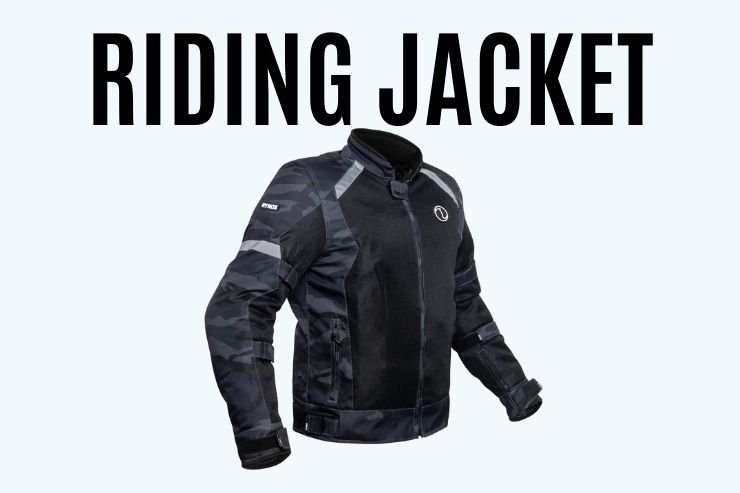
Riding Jacket
- Shoulder, elbow, and spine protection
- Abrasion resistance
- Chest and back safety
Riding Pants / Knee Guards
- Protect knees and thighs
- Reduce fracture risk
- Prevent serious skin injuries
Riding Boots
- Protect ankles and feet
- Prevent twisting injuries
- Improve stability
Together, these significantly reduce injury severity.
Helmet = Minimum safety
Full gear = Proper safety
Common Myths That Put Riders at Risk
- “I ride slowly, I don’t need more gear”
- “Gear is only for highways”
- “Helmets are enough”
- “Gear is uncomfortable in India”
Reality:
- Accidents don’t care about speed
- Most crashes happen in the city
- Proper gear is designed for Indian weather
The Legal Side vs The Safety Side
Law requires:
- Helmet
Safety demands:
- Helmet + gloves + jacket + leg protection + boots
The law sets the minimum requirement — not the safest option.
Minimal Safety Setup for Daily Riders
If full gear feels overwhelming, start with:
- Full-face helmet
- Riding gloves
- Knee guards
This simple setup already offers far better protection than a helmet alone.
Final Verdict – Helmet Is Essential, But Not Enough
So, is a helmet enough for motorcycle safety?
No. A helmet is necessary — but it is not sufficient.
Real motorcycle safety comes from:
- Protecting the head
- Guarding the spine
- Securing hands and legs
- Wearing proper riding gear
If you truly value your safety, don’t stop at a helmet.
Ride smart. Gear up. Always.
Do you ride with only a helmet, or full riding gear? Share your safety setup in the comments.
Discover more from BikeNYou
Subscribe to get the latest posts sent to your email.