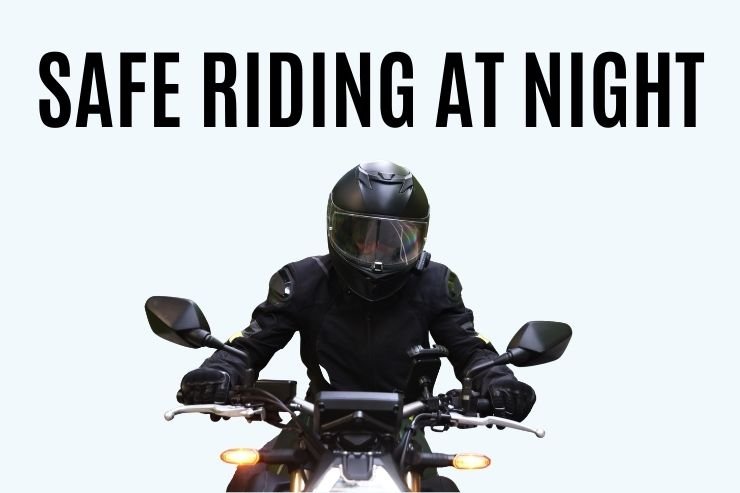
Night riding can be peaceful and enjoyable — less traffic, cooler temperatures, and open roads. But it also comes with higher risks. Reduced visibility, tired drivers, stray animals, and unpredictable road conditions make nighttime motorcycle riding more dangerous than daytime riding.
Whether you ride late from work or enjoy night highway runs, following the right precautions can significantly improve your safety. Here’s a complete guide on how to stay safe while riding at night.
1. Make Yourself Visible — Don’t Rely Only on Headlights
At night, being seen is just as important as seeing the road.
What to do:
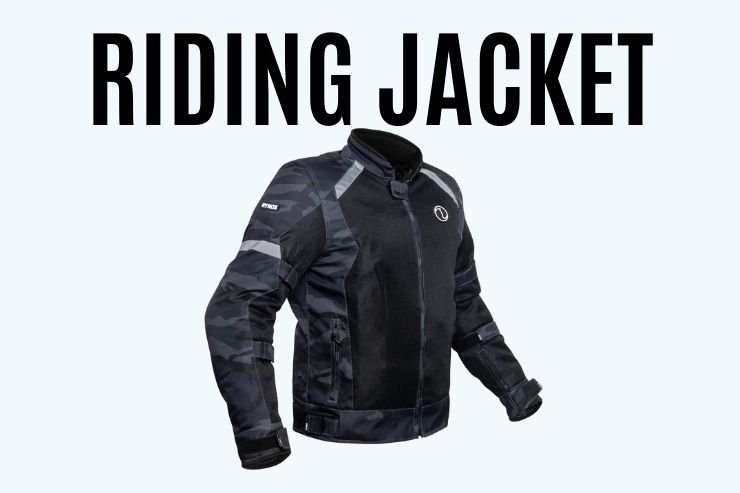
- Wear reflective riding jackets or vests
- Use reflective stickers on helmet and bike
- Avoid dark, non-reflective clothing
Drivers often notice reflective gear faster than headlights alone — especially from the sides.
2. Use the Right Helmet Visor
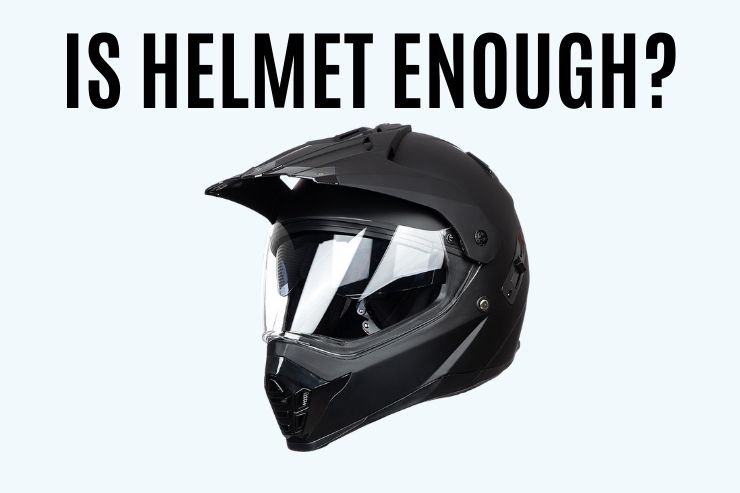
Your helmet visor plays a big role in night visibility.
Best practices:
- Use a clear visor at night
- Avoid dark, tinted, or mirrored visors
- Keep visor clean and scratch-free
A scratched visor can cause glare from oncoming headlights, reducing visibility.
3. Slow Down and Increase Following Distance
At night, your reaction time must be longer.
Why?
- Visibility is limited
- Obstacles appear suddenly
- Depth perception is reduced
Always:
- Ride slower than daytime speeds
- Maintain extra distance from vehicles ahead
- Avoid sudden acceleration or braking
4. Watch Out for High-Beam Glare
High-beam headlights are a major problem on Indian roads.
How to deal with glare:
- Don’t stare directly at oncoming headlights
- Focus slightly toward the left edge of the road
- Use your visor’s anti-glare coating if available
This helps maintain road awareness without temporary blindness.
5. Be Extra Careful at Intersections
Many night accidents happen at junctions.
Common risks:
- Vehicles jumping signals
- Drunk or tired drivers
- Poorly lit crossings
Slow down, scan both sides carefully, and never assume other drivers have seen you.
6. Beware of Animals and Pedestrians
Stray animals are more active at night.
Watch out for:
- Dogs crossing suddenly
- Cattle resting on highways
- Pedestrians wearing dark clothes
Reduce speed in poorly lit areas and be ready to brake smoothly.
7. Keep Your Motorcycle in Top Condition
Mechanical issues are more dangerous at night.
Before riding:
- Check headlight alignment
- Ensure brake lights & indicators work
- Clean mirrors and lights
A well-maintained bike improves visibility and control.
8. Avoid Riding When Tired or Drowsy
Fatigue is a silent danger.
Signs you should stop:
- Heavy eyes
- Missed turns
- Slower reactions
Take breaks, hydrate, and never push through exhaustion.
9. Choose Safer Routes
Not all roads are night-friendly.
Prefer:
- Well-lit main roads
- Familiar routes
- Roads with moderate traffic
Avoid deserted shortcuts, poorly lit highways, or unknown rural stretches.
10. Wear Proper Riding Gear
Night crashes often result in more severe injuries.
Essential gear:
- Full-face helmet
- Riding gloves
- Riding jacket with reflectors
- Knee guards or riding pants
- Sturdy footwear
Gear not only protects you — it makes you more visible.
Quick Night Riding Safety Checklist
- Clear visor
- Reflective gear
- Proper lighting
- Reduced speed
- Extra following distance
- Alert mindset
Common Night Riding Mistakes to Avoid
- Using high beam constantly
- Riding fast because roads look empty
- Wearing dark clothing
- Riding when tired
Final Verdict — Night Riding Needs Extra Caution
Night riding isn’t unsafe — careless night riding is.
With proper preparation, awareness, and discipline, you can enjoy riding after dark while staying protected. Remember, at night, visibility, patience, and alertness are your biggest safety tools.
Ride smart. Ride visible. Ride safe.
Do you ride frequently at night? Share your night riding tips in the comments.
Discover more from BikenYou
Subscribe to get the latest posts sent to your email.