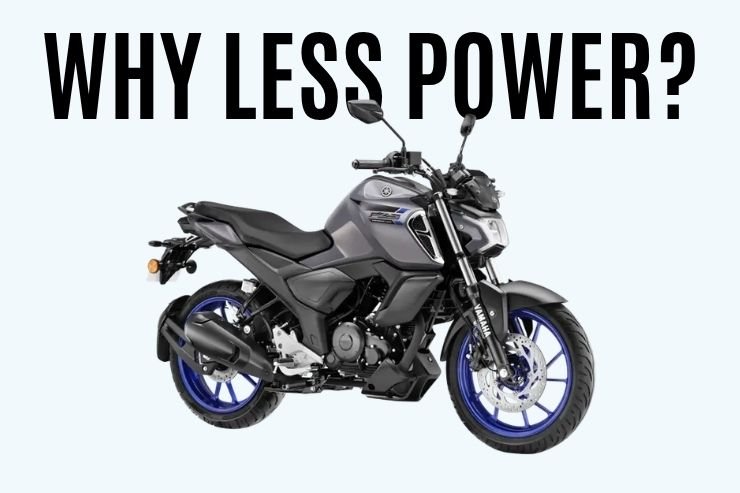
One of the most common questions Indian riders ask when comparing 150–160cc motorcycles is:
“Why does the Yamaha FZ have less power than its rivals?”
On paper, bikes like the Apache RTR 160 4V or Pulsar N160 clearly produce more horsepower. Yet, despite this, the Yamaha FZ continues to sell well and enjoys a loyal fan base.
So is Yamaha falling behind — or is there a reason behind this choice? Let’s break down why the Yamaha FZ has less power than rivals and why that decision actually makes sense for many Indian riders.
1. Yamaha Prioritises Smoothness Over Peak Power
Yamaha’s engineering philosophy has always focused on refinement and ride quality, not just headline power figures.
Instead of tuning the FZ’s engine for:
- High peak horsepower
- Aggressive top-end performance
Yamaha tunes it for:
- Smooth throttle response
- Linear power delivery
- Stress-free riding experience
For daily riders, this translates into less vibration, easier control, and a calmer engine — especially useful in stop-and-go traffic.
2. Strong Low-End Torque Matters More in Real Life
While rivals may produce higher peak power, the Yamaha FZ focuses on usable torque at lower rpm.
Why this matters:
- Easier city riding
- Less gear shifting
- Better control at low speeds
Most Indian riding happens between 20–60 km/h, not at redline. Yamaha understands this — and tunes the FZ to perform best where riders actually spend most of their time.
3. Better Reliability With Conservative Tuning
Higher power often means:
- Higher engine stress
- Higher heat generation
- Faster wear and tear
Yamaha intentionally keeps the FZ’s output conservative to ensure:
- Long engine life
- Lower failure rates
- Consistent performance over years
This is one of the reasons Yamaha engines are known to run smoothly even after 40,000–50,000 km.
Related: Why Yamaha R15 Is So Popular in India
4. Fuel Efficiency Is Still a Big Priority in India
Unlike performance-focused brands, Yamaha understands that mileage still matters to Indian buyers.
Lower power output helps:
- Improve fuel efficiency
- Reduce running costs
- Increase daily usability
The Yamaha FZ delivers strong real-world mileage without demanding aggressive riding — making it appealing to commuters who also want a premium feel.
5. Comfort-Oriented Engine Character
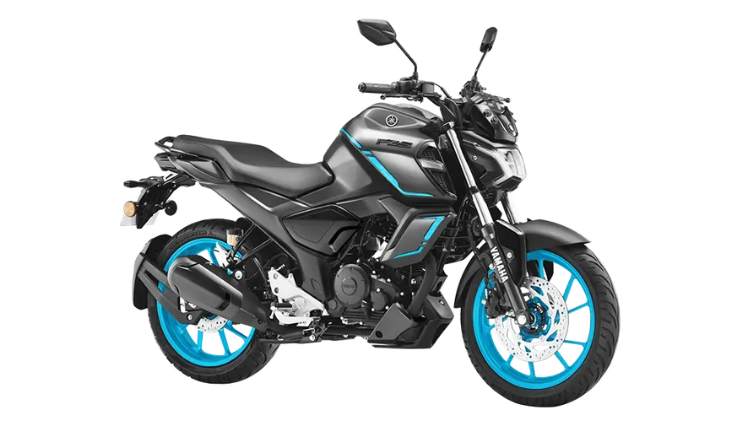
The FZ is designed as a premium commuter, not a street racer.
That’s why its engine offers:
- Minimal vibrations
- Calm cruising ability
- Relaxed throttle response
Riders who spend long hours in traffic or commute daily appreciate this more than raw acceleration.
6. Heat Management for Indian Traffic Conditions
Aggressive tuning increases engine heat — especially in slow-moving traffic.
By keeping power modest, Yamaha ensures:
- Better heat control
- Less discomfort in traffic
- Improved engine durability
For Indian cities, where summer traffic can be brutal, this makes a real difference.
Related: Is Yamaha XSR 155 Good for Long Rides?
7. Target Audience Is Different From Rivals
The Yamaha FZ is not targeted at:
- Track-day enthusiasts
- Drag racers
- Spec-sheet chasers
Instead, it targets:
- Daily commuters
- Comfort-focused riders
- Long-term owners
- Mature riders
Yamaha designs the FZ around this user profile — and for them, less power can actually be a benefit.
8. Safety and Predictability Over Aggression
Lower power combined with smooth delivery results in:
- Better traction in wet conditions
- More predictable handling
- Reduced chances of sudden wheel spin
This makes the FZ safer and more forgiving — especially for new riders upgrading from smaller bikes.
9. Yamaha’s Global Engineering Philosophy
Yamaha follows a global design principle called “Balance of Power and Control”.
Instead of chasing:
- Class-leading horsepower
Yamaha focuses on:
- Engine smoothness
- Chassis harmony
- Ride comfort
The FZ reflects this philosophy perfectly.
10. Less Power Doesn’t Mean Less Capability
Despite lower peak power, the Yamaha FZ:
- Cruises comfortably on highways
- Handles city traffic effortlessly
- Offers stable handling
- Remains reliable long-term
For most Indian riders, this is more than enough.
Related: Why Yamaha Aerox Is Popular Among Young Riders
Engine & Key Features (Yamaha FZ)
| Engine Type | Air cooled, 4-stroke, SOHC, 2-valve |
| Displacement | 149 cc |
| Max Power | 12.4 PS @ 7,250 rpm |
| Max Torque | 13.3 Nm @ 5,500 rpm |
| No. of Gears | 5 |
| Fuel Tank Capacity | 13 L |
| Seat Height | 790 mm |
| Ground Clearance | 165 mm |
| Kerb Weight | 135-137 kg |
Yamaha FZ Price (Ex-Showroom, Delhi) by Variants
| Yamaha FZ Fi | ₹ 1.10 lakh |
| Yamaha FZ Rave | ₹ 1.19 lakh |
| Yamaha FZ-S Fi | ₹ 1.25 lakh |
| Yamaha FZ-S Fi Hybrid | ₹ 1.34 lakh |
| Yamaha FZ-S Fi Ver 4.0 DLX | ₹ 1.20 lakh |
| Yamaha FZ-S Fi Ver 4.0 | ₹ 1.19 lakh |
Yamaha FZ Mileage
45–60 kmpl
Final Verdict — Less Power, More Sense
The Yamaha FZ has less power than rivals not because Yamaha can’t make more power — but because it chooses not to.
That choice results in:
- Better refinement
- Higher reliability
- Better mileage
- Lower maintenance stress
- Comfortable everyday riding
In a market obsessed with numbers, the Yamaha FZ proves that real-world usability matters more than peak horsepower.
And that’s exactly why it continues to be a top choice for Indian riders.
FAQs About Yamaha FZ Power
1. Why does the Yamaha FZ have less power than its competitors?
The Yamaha FZ is tuned for smooth performance, fuel efficiency, and reliability, rather than outright power. This makes it more practical for daily commuting.
2. Is lower power a disadvantage in Yamaha FZ?
Not necessarily. While the Yamaha FZ may have less power, it offers better ride comfort, smooth acceleration, and easy handling, which are ideal for city riding.
3. How much power does the Yamaha FZ produce?
The Yamaha FZ produces 12.4 PS power, which is slightly lower compared to some rivals in the 150cc segment.
4. Is Yamaha FZ good for beginners?
Yes, the Yamaha FZ is a great choice for beginners because its manageable power delivery, upright riding posture, and smooth engine make it easy to ride.
5. Should I choose Yamaha FZ over more powerful bikes?
You should choose the Yamaha FZ if you prioritize comfort, mileage, and reliability over high performance. It is ideal for daily commuting rather than aggressive riding.
Do you prefer smoothness over raw power, or do you want maximum performance? Comment your opinion below.
Discover more from BikenYou
Subscribe to get the latest posts sent to your email.