Owning a big bike is a dream for many motorcycle enthusiasts in India. The sound of a multi-cylinder engine, breathtaking acceleration, premium components, and impressive road presence make superbikes and middleweight motorcycles extremely desirable. With brands offering everything from 500cc roadsters to litre-class superbikes, Indian riders now have more choices than ever before.
But are big bikes practical in India? The answer depends on where you live, how often you ride, your budget, and what you expect from your motorcycle. While big bikes can deliver an incredible riding experience, Indian traffic, road conditions, weather, and ownership costs can make everyday use challenging.
Let’s look at the advantages and disadvantages of owning a big bike in India.
What Is Considered a Big Bike in India?
There is no official engine-capacity definition of a “big bike.” However, in the Indian market, motorcycles with engines of around 500cc and above are generally considered big bikes, especially multi-cylinder machines.
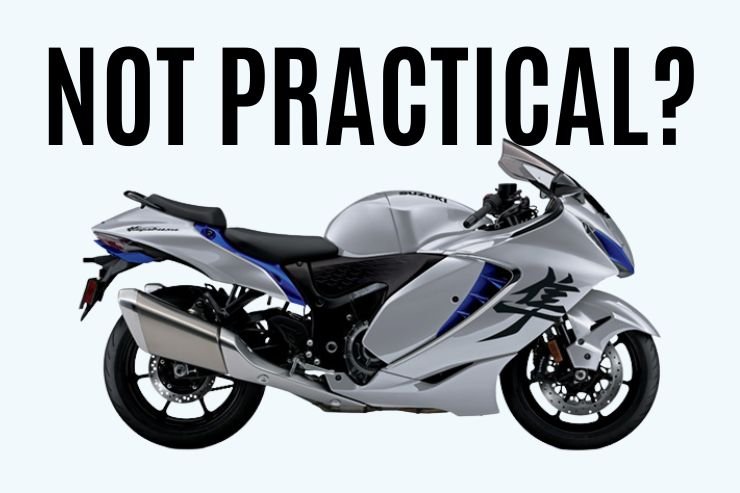
Popular examples include motorcycles such as the Royal Enfield Interceptor 650, Kawasaki Ninja 650, Triumph Trident 660, Honda Transalp 750, Suzuki Hayabusa, and BMW S 1000 RR.
While middleweight motorcycles can still be reasonably manageable, litre-class superbikes introduce significantly more power, weight, heat, and ownership costs.
1. Big Bikes Can Be Difficult in Heavy Traffic
Traffic is arguably the biggest challenge when using a big motorcycle in India. Cities such as Delhi, Mumbai, Bengaluru, Pune, and Hyderabad can experience heavy congestion, particularly during peak hours.
Big bikes are generally heavier and wider than commuter motorcycles. Constantly balancing a 200 kg-plus motorcycle at low speeds can become tiring. Frequent clutch operation and stop-and-go traffic can further reduce the enjoyment.
For riders who primarily commute through congested city streets, a smaller motorcycle is usually more practical.
2. Engine Heat Can Be a Problem
Large-capacity engines generate considerable heat, particularly powerful multi-cylinder units. At highway speeds, airflow helps dissipate this heat, but the situation changes when you’re stuck in slow-moving traffic.
During India’s hot summer months, heat from the engine and radiator can make riding uncomfortable. This is especially noticeable on high-performance motorcycles designed primarily for open roads rather than crawling through traffic.
3. Indian Road Conditions Can Be Challenging
India has some excellent highways, but road quality can vary dramatically. Potholes, speed breakers, broken surfaces, construction zones, and unexpected obstacles are common in many areas.
Adventure motorcycles generally cope better with these conditions due to their higher ground clearance and longer suspension travel. Low-slung sport bikes can require considerably more caution, particularly when crossing large speed breakers or riding over damaged roads.
4. Big Bikes Are Excellent on Highways
This is where big bikes truly start to make sense.
A powerful motorcycle can cruise comfortably on highways without stressing its engine. Overtaking is effortless, and the additional power allows riders to maintain highway speeds comfortably.
Middleweight adventure bikes and sport-tourers are particularly good for long-distance riding because they combine powerful engines with comfortable ergonomics, wind protection, and greater stability.
For riders who regularly take weekend trips or long-distance tours, owning a big bike can be far more rewarding.
5. Fuel Costs Are Higher
Fuel efficiency is another factor that affects the practicality of big bikes in India. A typical commuter motorcycle can offer excellent mileage, whereas larger motorcycles consume considerably more fuel.
Fuel consumption varies greatly depending on engine capacity, number of cylinders, riding style, traffic, and motorcycle type. Aggressive riding can further reduce efficiency.
If you ride thousands of kilometres every month, the difference in fuel expenses between a small commuter and a big bike can become substantial.
6. Maintenance Can Be Expensive
Buying the motorcycle is only the beginning. Big bikes generally cost considerably more to maintain than regular commuter motorcycles.
Expenses can include:
- Premium engine oil and filters
- Expensive tyres
- Brake pads and other consumables
- Chain and sprocket replacement
- Labour charges
- Insurance
- Replacement parts
- Periodic servicing
High-performance tyres alone can represent a significant recurring expense. Premium imported motorcycles may also have expensive replacement parts.
Before buying a big bike, it’s important to consider the total ownership cost, not just the ex-showroom price.
Related: Yamaha RX100 Maintenance Tips
7. Service Availability Can Be Limited
Another consideration is the service network. Brands selling mass-market motorcycles generally have service centres throughout India, but premium motorcycle dealerships can be concentrated in larger cities.
If you live far from an authorised service centre, even routine maintenance can become inconvenient. Getting specialised parts for imported motorcycles may also take time.
Checking the nearest authorised workshop before purchasing a premium motorcycle can save considerable trouble later.
8. Parking and Security Need More Attention
Parking a premium motorcycle requires more thought than parking an everyday commuter. Big bikes attract attention, and their size can make them difficult to park in crowded spaces.
Owners may want secure covered parking at home and should be careful when leaving the motorcycle unattended for extended periods. Comprehensive insurance and suitable security measures can also provide additional peace of mind.
9. Not Every Big Bike Is Impractical
Engine capacity alone doesn’t determine practicality.
A middleweight roadster or adventure motorcycle with manageable power, comfortable ergonomics, and reasonable weight can work surprisingly well in India. In contrast, a litre-class supersport with aggressive ergonomics and extreme performance may be frustrating as a daily commuter.
For Indian conditions, motorcycles in the roughly 500cc-800cc middleweight category can offer an appealing balance between big-bike performance and real-world usability.
10. Big Bikes Make Excellent Weekend Machines
For many Indian enthusiasts, the best way to own a big bike is not to use it as their only motorcycle.
Keeping a smaller commuter or scooter for everyday city use and reserving the big bike for weekend rides, highway trips, and touring can offer the best of both worlds.
You avoid exposing an expensive motorcycle to daily congestion while still getting to enjoy its performance where it makes the most sense.
Should You Buy a Big Bike in India?
A big bike can be practical if you:
- Regularly ride on highways
- Enjoy weekend touring
- Have access to good service facilities
- Have secure parking
- Can comfortably afford maintenance and insurance
- Have sufficient experience handling heavier and more powerful motorcycles
However, if most of your riding involves short trips through congested city traffic, a smaller motorcycle may be significantly easier and cheaper to live with.
Final Thoughts
So, are big bikes practical in India? Yes—but only for the right rider and the right type of riding.
Middleweight motorcycles can be surprisingly practical for riders who frequently travel on highways or enjoy weekend touring. However, powerful superbikes can become difficult to use regularly because of traffic, engine heat, poor roads, expensive maintenance, and limited opportunities to safely enjoy their performance.
Rather than simply choosing the biggest or most powerful motorcycle you can afford, consider where you’ll actually ride it. A big bike that suits your lifestyle will be far more enjoyable than an extreme machine that spends most of its time parked.
FAQs
1. Are big bikes suitable for daily use in India?
Yes, some middleweight motorcycles can be used daily, but heavy traffic, engine heat, weight, fuel consumption, and parking can make them less convenient than smaller motorcycles.
2. Which type of big bike is best for Indian roads?
Adventure bikes, roadsters, and sport-tourers are generally well suited to Indian conditions because they combine comfortable ergonomics with good performance and reasonable ground clearance.
3. Are superbikes practical in Indian cities?
Litre-class superbikes are generally not the most practical city motorcycles. Their extreme performance, engine heat, aggressive ergonomics, and higher running costs make them better suited to recreational riding.
4. Is a 650cc bike practical in India?
For many enthusiasts, a 650cc motorcycle can offer a good balance between performance and usability. The exact practicality depends on the motorcycle’s weight, ergonomics, engine characteristics, and the rider’s typical usage.
5. Is maintaining a big bike expensive in India?
Yes. Big bikes generally have higher servicing, tyre, insurance, fuel, and replacement-part costs than commuter motorcycles. Buyers should calculate these expenses before purchasing.
6. Is it worth buying a big bike in India?
If you enjoy highway touring, weekend rides, and performance motorcycling—and can comfortably manage the ownership costs—a big bike can be extremely rewarding. For purely city commuting, however, a smaller motorcycle is usually more practical.
Would you use a big bike as your daily motorcycle in India, or would you keep it only for weekend rides? Share your experience and favorite big bike in the comments below!
Discover more from BikeNYou
Subscribe to get the latest posts sent to your email.