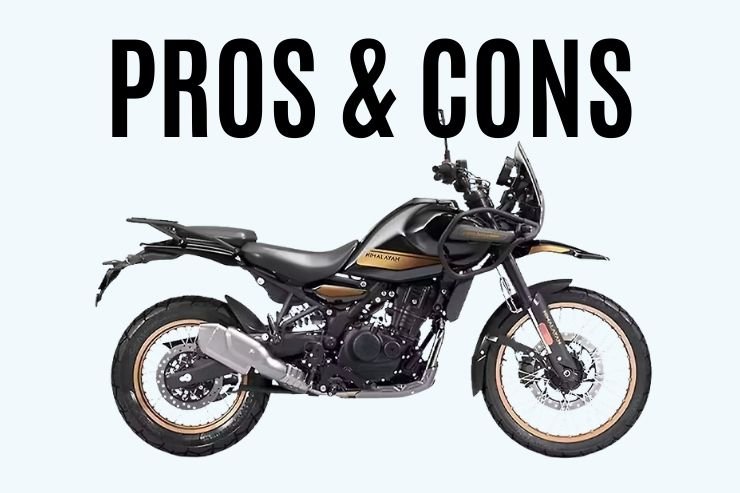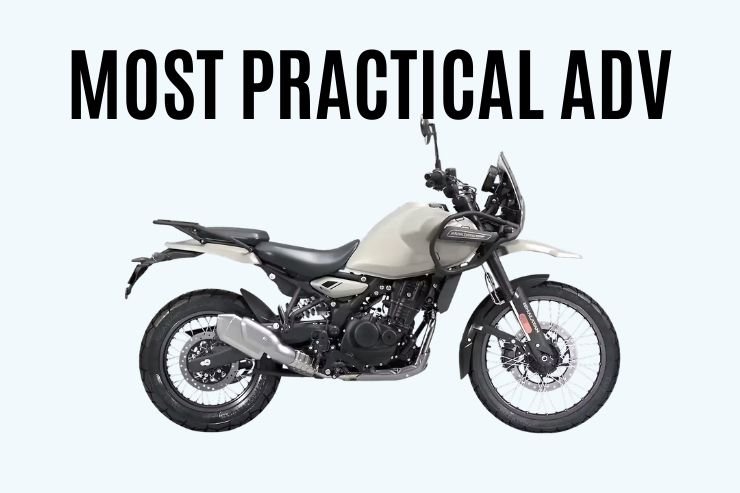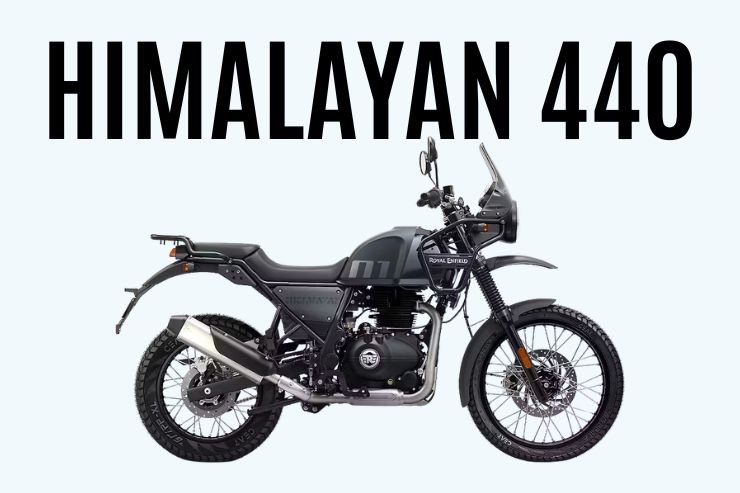
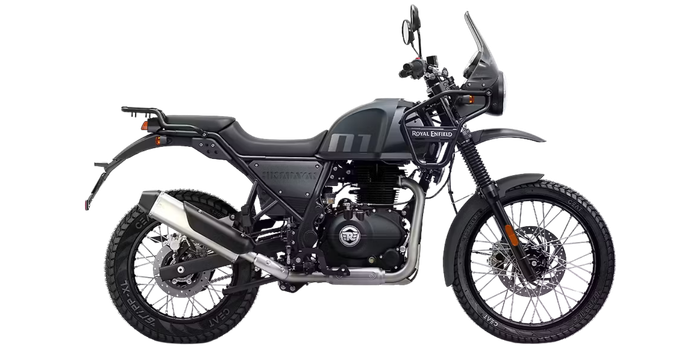
The Royal Enfield Himalayan 440 has brought back the simple, rugged character that made the original Himalayan 411 popular among Indian adventure riders. Launched at Rs 2.29 lakh (ex-showroom), the new Himalayan 440 combines the familiar old-school Himalayan design with a bigger 443cc engine, six-speed gearbox, improved brakes and useful touring features.
It also sits well below the newer Himalayan 450 in terms of price, potentially making it an attractive option for riders who want a capable adventure motorcycle without spending over Rs 3 lakh ex-showroom.
But should you buy one? Here are 10 important things to know before buying the Royal Enfield Himalayan 440.
1. The Himalayan 440 Costs Rs 2.29 Lakh
One of the biggest attractions of the Royal Enfield Himalayan 440 is its pricing.
Royal Enfield has launched the motorcycle at Rs 2.29 lakh ex-showroom, with a single variant and three colour options.
The colours are:
- Mustang Brown
- Sela Black
- Nelong White
All three colours are offered at the same price.
This pricing puts the Himalayan 440 substantially below the Himalayan 450, giving Royal Enfield a more accessible adventure motorcycle for buyers who don’t need the performance and technology of the 450.
2. It Gets a Bigger 443cc Engine
At the heart of the Himalayan 440 is a 443cc, single-cylinder, long-stroke engine shared with the Scram 440.
It produces:
- Maximum power: 25.4bhp at 6,250rpm
- Maximum torque: 34Nm at 4,000rpm
The numbers may not look particularly exciting compared with modern performance-focused ADVs, but outright speed isn’t the main objective here.
The Himalayan 440 focuses more on accessible low- and mid-range performance, making its torque useful for climbing hills, navigating broken roads and maintaining a relaxed pace while touring.
For riders familiar with the old Himalayan 411, the larger engine should be one of the most noticeable improvements.
3. It Finally Gets a Six-Speed Gearbox
This is an important upgrade over the old Himalayan 411.
The Himalayan 440 gets a six-speed gearbox, whereas the older 411 used a five-speed transmission.
The additional sixth gear should make highway cruising more relaxed and better suited to long-distance touring.
This matters because one of the criticisms of the old Himalayan was its limited highway performance. The 440 doesn’t suddenly turn the Himalayan into a high-speed adventure motorcycle, but the bigger engine and extra gear make it a more convincing highway machine.
However, buyers should note that the Himalayan 440 does not get a slipper clutch.
4. The 800mm Seat Height Is Very Accessible
Adventure motorcycles can be intimidating for shorter riders, but the Himalayan 440 is different.
It has a relatively accessible 800mm seat height.
That’s one of its biggest practical advantages. The low seat should make it easier for many riders to place their feet on the ground, particularly compared with taller adventure motorcycles.
The Himalayan 440 also provides an impressive 220mm of ground clearance, so Royal Enfield has managed to combine a low seat with plenty of clearance underneath the motorcycle.
For shorter riders who find the Himalayan 450 intimidating, the Himalayan 440 could therefore be worth considering.
Related: Honda CB500: 10 Things to Know Before Buying
5. It’s Heavy at 199kg
While the low seat height helps manageability, there’s no hiding the Himalayan 440’s weight.
The motorcycle has a 199kg kerb weight.
That’s significant for a bike producing 25.4bhp, and riders will notice the weight when manoeuvring the motorcycle at low speeds, pushing it around a parking area or recovering it during off-road riding.
Interestingly, the Himalayan 440 is even slightly heavier on paper than the Himalayan 450.
Once moving, the weight becomes easier to manage, but beginners should definitely take a proper test ride before buying.
6. It Has Proper Adventure-Bike Hardware
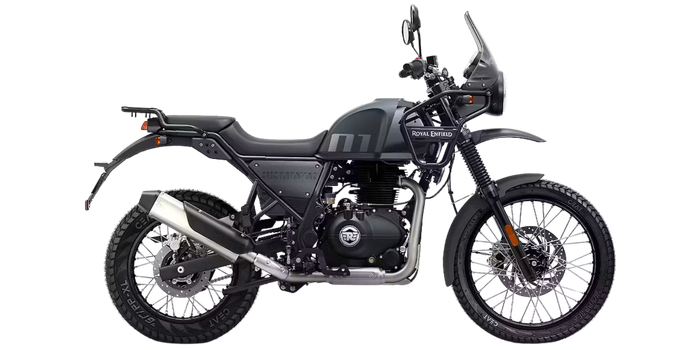
The Himalayan 440 retains the adventure-focused fundamentals that helped make the original Himalayan popular.
At the front is a 21-inch spoked wheel, while the rear uses a 17-inch spoked wheel.
Suspension travel is generous too:
- Front: 41mm telescopic fork with 200mm travel
- Rear: Link-type monoshock with 180mm travel
Combined with its 220mm ground clearance, the setup gives the Himalayan 440 genuine ability on broken roads, trails and rough terrain.
The 21-inch front wheel is particularly important for riders planning to venture beyond smooth highways, as the larger wheel can roll over rocks, potholes and uneven surfaces more easily.
7. There Are No Tubeless Tyres
This could be one of the biggest disadvantages of the Himalayan 440 for touring riders.
The motorcycle comes with wire-spoked wheels and tube-type tyres, and Royal Enfield currently doesn’t offer a tubeless wheel option for the 440.
That matters on long-distance trips.
With a tubeless tyre, many punctures can be repaired relatively quickly using a plug kit. Fixing a puncture on a tube-type setup can be considerably more inconvenient because the wheel and inner tube may need to be removed.
For riders planning remote touring or Leh-Ladakh trips, this is something worth considering carefully.
The Himalayan 450 has an advantage here because it can be equipped with cross-spoke tubeless wheels.
8. Features Are Simple but Useful
Don’t expect the Himalayan 440 to compete with modern ADVs on electronic features.
Royal Enfield has deliberately kept the motorcycle relatively simple.
You get an analogue-digital instrument cluster accompanied by the Tripper navigation pod, which provides turn-by-turn navigation.
Other useful equipment includes an LED headlight, USB Type-C charging and dual-channel ABS with the ability to switch off ABS at the rear wheel.
Switchable rear ABS is particularly useful when riding off-road, where experienced riders may prefer allowing the rear wheel to lock.
However, you don’t get sophisticated electronics such as riding modes, traction control or a large TFT display.
For some riders, that simplicity will actually be part of the Himalayan 440’s appeal.
Related: Yamaha R2: 10 Things to Know Before Buying
9. It Gets a Large 15-Litre Fuel Tank
Long-distance touring requires decent range, and the Himalayan 440 comes with a 15-litre fuel tank.
Early owner-reported figures indicate fuel economy of around 31kmpl, although actual mileage will depend on riding style, traffic, terrain, luggage and cruising speed.
Even if real-world mileage varies, the 15-litre tank should provide useful range between fuel stops.
That’s particularly valuable when travelling through remote areas where petrol stations can be far apart.
Buyers should wait for more long-term ownership data before treating any early mileage figure as definitive.
10. Himalayan 440 and Himalayan 450 Are Very Different Bikes
Despite their similar names, buyers shouldn’t think of the Himalayan 440 as simply a smaller-engined Himalayan 450.
They are fundamentally different motorcycles.
The Himalayan 440 essentially develops the formula of the original Himalayan 411. It uses a 443cc long-stroke engine, half-duplex split-cradle frame, conventional telescopic fork and relatively simple electronics.
The Himalayan 450 is a much more modern motorcycle built around a different platform and a more powerful liquid-cooled engine.
The 440 is therefore better understood as the spiritual successor to the Himalayan 411, rather than a cheaper version of the Himalayan 450.
This also explains the large difference in price.
Royal Enfield Himalayan 440: Key Specifications
| Engine | 443cc, single-cylinder |
| Maximum power | 25.4bhp at 6,250rpm |
| Maximum torque | 34Nm at 4,000rpm |
| Gearbox | 6-speed |
| Kerb weight | 199kg |
| Seat height | 800mm |
| Ground clearance | 220mm |
| Fuel tank | 15 litres |
| Front wheel | 21-inch spoked |
| Rear wheel | 17-inch spoked |
| Front suspension travel | 200mm |
| Rear suspension travel | 180mm |
| Front brake | 300mm disc |
| Rear brake | 240mm disc |
| ABS | Dual-channel with switchable rear ABS |
| Tyres | Tube-type |
Who Should Buy the Himalayan 440?
The Himalayan 440 should appeal most to riders who value simplicity, comfortable exploration and touring ability over outright performance.
It could be particularly suitable for riders who:
- Want an affordable Royal Enfield adventure motorcycle
- Prefer a low 800mm seat height
- Frequently ride on bad roads
- Plan occasional off-road adventures
- Want a simple motorcycle with fewer complicated electronics
- Prefer relaxed touring rather than high-speed performance
- Loved the original Himalayan 411 but wanted more power and a sixth gear
On the other hand, riders wanting maximum performance, sophisticated electronics, lower weight or factory tubeless wheels may find other adventure motorcycles more suitable.
Is the Royal Enfield Himalayan 440 Good for Long Rides?
Long-distance touring is one of the main reasons to consider the Himalayan 440.
Its upright adventure-bike ergonomics, 15-litre fuel tank, 21-inch front wheel, long-travel suspension and six-speed gearbox make it well suited to covering varying road conditions.
The engine’s 34Nm of torque arrives at a relatively low 4,000rpm, which should complement relaxed touring.
There are compromises, though. The 199kg weight and tube-type tyres are worth keeping in mind, especially if your trips regularly involve remote locations.
Himalayan 440 vs Himalayan 450: Which One Makes More Sense?
The answer largely comes down to your budget and expectations.
Choose the Himalayan 440 if you want a simpler and more affordable adventure motorcycle with accessible ergonomics, strong low-end torque and old-school Himalayan character.
The Himalayan 450 makes more sense if you’re willing to spend substantially more for stronger performance, a more modern platform and more advanced equipment.
For relaxed touring and exploration, the 440 may provide everything many riders actually need. For riders who frequently cruise at higher speeds or want a more sophisticated ADV, the 450 offers a considerable step up.
Final Thoughts
The Royal Enfield Himalayan 440 isn’t trying to be the fastest or most technologically advanced adventure motorcycle in India.
Instead, it brings back what many riders liked about the original Himalayan: simple engineering, accessible ergonomics, long-travel suspension and a relaxed go-anywhere personality.
The new 443cc engine, six-speed gearbox, improved brakes and standard navigation address several shortcomings of the old Himalayan 411. At Rs 2.29 lakh ex-showroom, the pricing also gives the 440 a clear purpose below the considerably more expensive Himalayan 450.
However, its 199kg kerb weight, tube-type tyres and relatively basic feature list shouldn’t be ignored.
If you want a simple Royal Enfield for touring, exploring mountain roads and occasionally heading off the tarmac, the Himalayan 440 deserves a test ride before you make your decision.
FAQs
1. What is the Royal Enfield Himalayan 440 price in India?
The Royal Enfield Himalayan 440 is priced at Rs 2.29 lakh ex-showroom and is currently offered in a single variant.
2. What is the engine capacity of the Himalayan 440?
It uses a 443cc single-cylinder engine producing 25.4bhp at 6,250rpm and 34Nm at 4,000rpm.
3. What is the mileage of Royal Enfield Himalayan 440?
Early owner-reported figures indicate around 31kmpl, but real-world mileage can vary depending on riding conditions and riding style.
4. Does Himalayan 440 have tubeless tyres?
No. The Himalayan 440 currently comes with spoked wheels and tube-type tyres. Royal Enfield does not presently offer a tubeless wheel option for it.
5. Is Himalayan 440 good for short riders?
Its relatively low 800mm seat height makes the Himalayan 440 more approachable than many adventure motorcycles, although its 199kg kerb weight should also be considered.
6. Is the Himalayan 440 better than the Himalayan 450?
They target different buyers. The Himalayan 440 prioritises affordability, simplicity and accessible touring, while the Himalayan 450 offers considerably stronger performance and a more modern platform.
Would you choose the Royal Enfield Himalayan 440, or would you spend more for the Himalayan 450? Tell us which one you’d take on your next adventure in the comments below!
Discover more from BikeNYou
Subscribe to get the latest posts sent to your email.