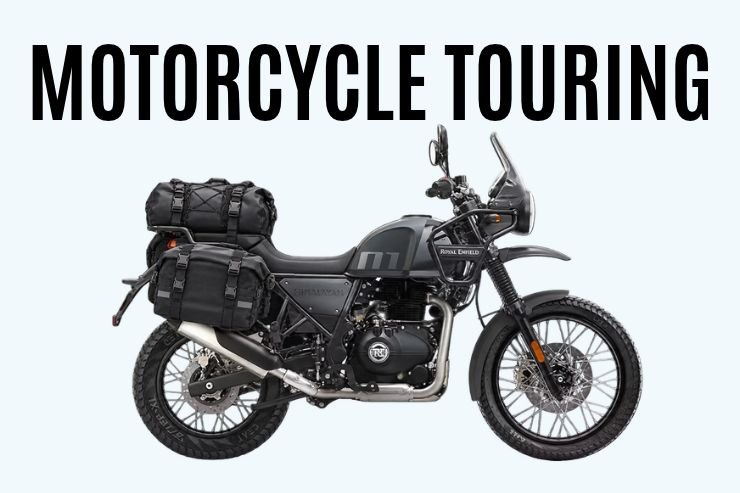
Motorcycle touring is one of the most exciting ways to explore new places, experience scenic roads and enjoy the freedom of riding. Whether you’re planning a weekend getaway, a long highway journey or an adventurous ride through the Himalayas, proper preparation can make all the difference.
However, a successful motorcycle trip requires more than simply filling the fuel tank and hitting the road. From essential riding gear and bike maintenance to luggage, documents and emergency supplies, there are several things every rider should check before leaving.
This complete motorcycle touring checklist covers everything you need for a safe, comfortable and memorable journey.
1. Motorcycle Maintenance Checklist
Before starting a long motorcycle trip, make sure your bike is in good mechanical condition. Even a minor problem can become a major inconvenience when you’re hundreds of kilometres away from home.
Check the following:
- Engine oil: Check the level and follow the manufacturer’s recommended service schedule.
- Tyres: Inspect tread depth, tyre condition and pressure. Adjust pressure according to the motorcycle’s recommended loaded settings.
- Brakes: Check brake pads, discs, fluid levels and braking performance.
- Chain and sprockets: Inspect chain tension, lubrication and sprocket wear.
- Battery: Check battery condition and terminal connections.
- Lights: Test the headlight, indicators, brake light and horn.
- Coolant: Check coolant level if your motorcycle is liquid-cooled.
- Suspension: Inspect the front forks and rear suspension for leaks or damage.
- Clutch and throttle: Make sure all controls operate smoothly.
- Fasteners: Check important nuts, bolts, luggage mounts and accessories.
If your motorcycle is due for servicing, get it inspected before the trip rather than waiting until the last minute.
2. Essential Motorcycle Riding Gear
Wearing the right protective gear is one of the most important aspects of motorcycle touring.
Your riding gear checklist should include:
- Full-face helmet: Choose a properly fitted helmet that meets applicable safety standards.
- Riding jacket: Prefer one with abrasion-resistant material and certified impact protectors.
- Riding pants: Use motorcycle-specific pants with knee and hip protection.
- Riding gloves: Choose full-finger gloves with good grip and impact protection.
- Riding boots: Wear protective boots with ankle support and slip-resistant soles.
- Rain gear: Carry a waterproof riding suit or rain jacket and pants.
- Base layers: Moisture-wicking clothing improves comfort during long rides.
- Thermal layers: Essential for cold-weather and high-altitude touring.
- Earplugs: Properly fitted earplugs can reduce wind-noise fatigue while preserving awareness of traffic.
Avoid riding long distances in ordinary sneakers, shorts or casual clothing that offers little protection during a fall.
Related: Top 10 Bikes for Leh Ladakh Trips
3. Motorcycle Touring Luggage Checklist
Packing efficiently is essential because motorcycles have limited luggage capacity.
Useful luggage options include saddlebags, panniers, top boxes, tail bags and tank bags.
Pack these essentials:
- Two or three sets of comfortable clothing
- Undergarments and socks
- Toiletries and personal hygiene products
- Microfibre towel
- Comfortable footwear for walking
- Waterproof bags or luggage liners
- Laundry bag
- Sunglasses
- Small flashlight or headlamp
- Reusable water bottle
Packing tip: Keep heavier items low and close to the motorcycle’s centre, distribute weight evenly and stay within the manufacturer’s load limits.
Avoid carrying unnecessary items that increase weight and affect handling.
4. Important Documents to Carry
Before starting your motorcycle tour, make sure you have the necessary documents.
For motorcycle touring in India, these generally include:
- Valid driving licence
- Registration certificate (RC)
- Valid motor insurance
- Pollution Under Control (PUC) certificate, where applicable
- Government-issued identification
- Emergency contact information
- Required permits for restricted destinations
Digital documents available through recognised services such as DigiLocker or mParivahan can be useful, but carrying accessible backups is sensible when travelling through areas with poor connectivity.
If you’re planning a ride to destinations such as Ladakh or certain border regions, check current permit requirements before departure.
5. Motorcycle Tool Kit and Emergency Supplies
A basic motorcycle tool kit can help you deal with minor problems during a long journey.
Consider carrying:
- Manufacturer-supplied tool kit
- Portable tyre inflator
- Tyre pressure gauge
- Puncture repair kit suitable for your tyre type
- Spare fuses, if applicable
- Cable ties and electrical tape
- Chain lubricant for chain-driven motorcycles
- Small multitool
- Spare motorcycle key stored securely
- Emergency contact and roadside assistance details
Remember that tubeless and tube-type tyres require different puncture repair methods. Choose tools appropriate for your motorcycle.
For major mechanical problems, roadside assistance or a qualified mechanic is safer than attempting unfamiliar repairs.
Related: Top 10 Weekend Bike Trips from Delhi
6. First Aid and Personal Safety Essentials
Every motorcycle touring checklist should include a compact first-aid kit.
Useful items include sterile gauze, adhesive bandages, antiseptic wipes, medical tape, disposable gloves and any personal prescription medication.
Also carry oral rehydration salts, sunscreen, insect repellent and enough drinking water.
If you have allergies or medical conditions requiring emergency medication, make sure the necessary supplies are accessible.
A first-aid kit is for initial assistance and minor injuries. Serious accidents require professional emergency medical care.
7. Navigation and Electronic Gadgets
Technology can make motorcycle touring easier, especially when exploring unfamiliar roads.
Consider packing a smartphone with offline maps, a secure motorcycle phone mount, charging cables, a power bank and a waterproof phone pouch.
A helmet communication system can also be useful when riding with a group, provided it doesn’t distract you from traffic.
Download offline maps before leaving, particularly when travelling through remote mountain roads or areas with unreliable mobile networks.
Never operate your phone while riding. Stop somewhere safe before changing routes or checking messages.
8. Plan Your Route and Fuel Stops
Planning your route is just as important as preparing your motorcycle.
Before departure, research the total distance, road conditions, expected riding time, fuel stations, accommodation and weather.
Avoid planning excessively long riding days, especially when travelling through mountains or unfamiliar terrain.
Schedule regular breaks, allow time for unexpected delays and identify alternative routes.
In remote areas, refuel well before the tank reaches reserve. Fuel availability can be unpredictable, particularly in mountainous regions.
Related: Top 6 Adventure Bikes in India
9. Prepare for Different Weather Conditions
Weather can change quickly during a motorcycle tour.
For summer rides, prioritise hydration, ventilation and frequent breaks. In the monsoon, use waterproof gear, reduce speed and avoid flooded roads.
For winter and high-altitude touring, carry appropriate thermal clothing and check road closures, snowfall forecasts and temperature conditions.
In the mountains, avoid riding after dark whenever possible. Reduced visibility, animals, loose gravel and unexpected road damage can make night riding particularly dangerous.
10. Final Motorcycle Touring Checklist Before Departure
Use this quick checklist before every trip.
| ✅ Motorcycle serviced and inspected |
| ✅ Tyres and brakes checked |
| ✅ Chain adjusted and lubricated |
| ✅ Engine oil and other fluids checked |
| ✅ Headlight, indicators and horn working |
| ✅ Fuel tank filled |
| ✅ Helmet and protective riding gear packed |
| ✅ Rain gear and extra clothing packed |
| ✅ Documents and permits verified |
| ✅ Tool kit and puncture repair supplies packed |
| ✅ First-aid kit and personal medication packed |
| ✅ Phone, power bank and charging cables ready |
| ✅ Offline maps downloaded |
| ✅ Accommodation and fuel stops planned |
| ✅ Weather and road conditions checked |
| ✅ Emergency contacts informed |
| ✅ Luggage securely mounted |
| ✅ Enough rest taken before departure |
Final Thoughts
A well-planned motorcycle tour is safer, more comfortable and far more enjoyable. By following this complete motorcycle touring checklist, you can reduce avoidable problems and focus on the experience of riding.
Whether you’re exploring scenic highways, countryside roads or challenging mountain routes, always prioritise safety, ride within your limits and prepare for unexpected situations.
What’s the one item you never forget to carry on a motorcycle trip? Share your touring essentials in the comments below!
Discover more from BikeNYou
Subscribe to get the latest posts sent to your email.