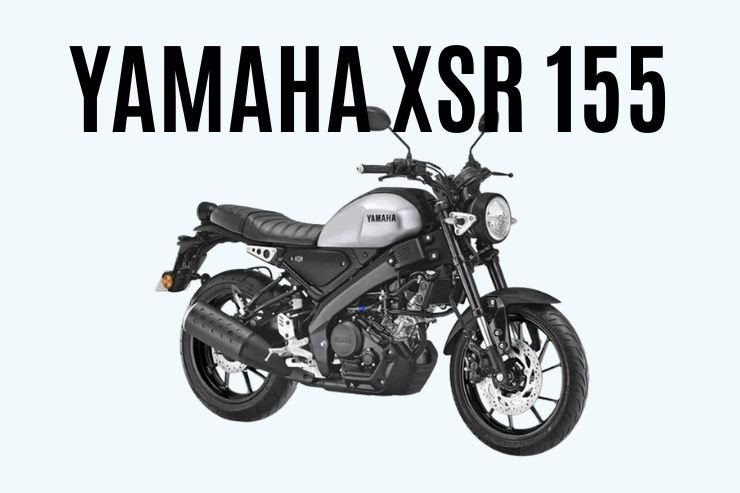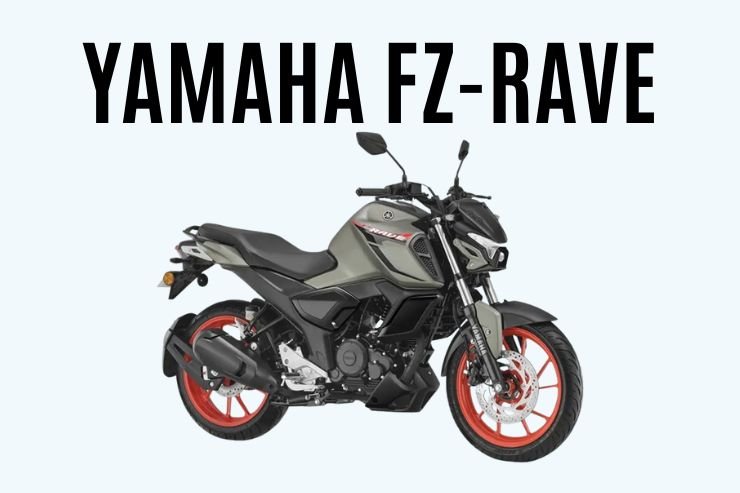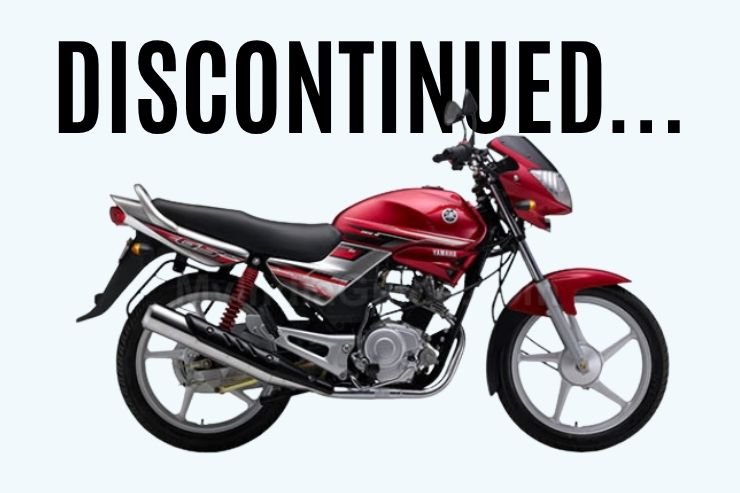
Yamaha has always been a well-respected motorcycle brand in India, known for its performance, sporty design, and premium feel. However, over the years, Yamaha has discontinued several popular commuter bikes that were once common on Indian roads.
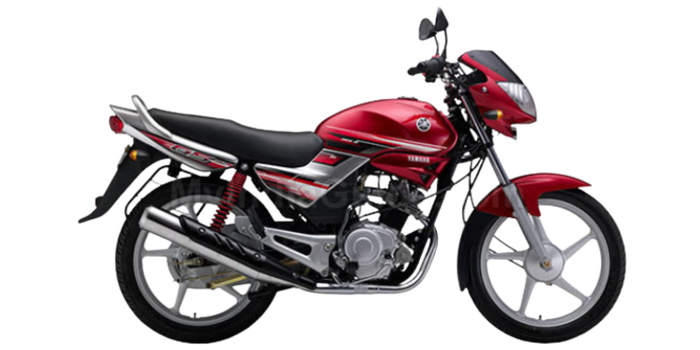
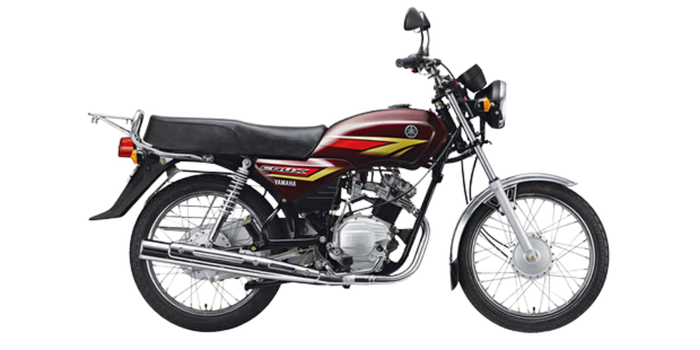
Bikes like the Yamaha Libero, SZ series, Crux, and even Saluto had their own loyal customer base. Yet today, Yamaha’s commuter lineup feels limited compared to competitors.
So why did Yamaha discontinue these popular commuter bikes? Let’s explore the real reasons behind this shift.
1. Changing Market Strategy
One of the biggest reasons behind discontinuation is Yamaha’s shift in strategy.
Earlier, Yamaha competed in the commuter segment with bikes focused on:
But over time, Yamaha decided to reposition itself as a premium and performance-oriented brand. Instead of targeting the mass market, it focused on bikes that offer better design, features, and riding experience.
Real Reason: Yamaha moved from mass-market commuter bikes to premium sporty bikes.
2. Weak Presence in the 100cc Segment
The 100cc segment is the backbone of the Indian motorcycle market. Brands like Hero and Honda dominate this category with bikes like:
Yamaha’s commuter bikes often struggled here because:
- Slightly lower mileage compared to rivals
- Higher pricing
- Less focus on basic utility
As a result, Yamaha gradually exited the 100cc segment.
Real Reason: Inability to compete in a highly price- and mileage-driven segment.
3. Price-Sensitive Indian Market
Indian buyers are extremely price-conscious, especially in the commuter segment.
Yamaha bikes were often:
- Slightly more expensive
- Positioned as premium
- Focused on quality over cost
While this worked in higher segments, it became a disadvantage in budget categories where every Rs. 1,000 matters.
Real Reason: Higher pricing made Yamaha less competitive in entry-level bikes.
4. Strict Emission Norms (BS6 Impact)
The introduction of BS6 emission norms was a major turning point.
- Older engines required expensive upgrades
- Low-selling models became unviable
- Companies had to choose which bikes to continue
Yamaha decided to discontinue many commuter bikes instead of investing heavily in upgrading them.
Real Reason: High cost of upgrading older models to meet new emission standards.
Related: Why Yamaha RX100 Was Discontinued in India
5. Focus on Global & Premium Models
Yamaha follows a global product strategy, meaning it focuses on bikes that can be sold internationally.
Instead of creating India-specific commuter bikes, Yamaha prioritized:
These bikes align with Yamaha’s global identity as a performance brand.
Real Reason: Shift towards globally aligned, premium motorcycles.
6. Low Sales of Some Models
Some Yamaha commuter bikes simply didn’t sell in large numbers compared to competitors.
- Limited demand
- Strong competition
- Less brand recall in commuter space
Maintaining low-selling models is not profitable, which led to their discontinuation.
Real Reason: Shift towards globally aligned, premium motorcycles.
7. Brand Positioning Confusion
Yamaha is known for performance and sporty bikes. However, commuter bikes focus on mileage and practicality.
This created confusion:
- Performance brand selling commuter bikes
- Target audience mismatch
Many buyers preferred Hero or Honda for commuters and Yamaha for sporty bikes.
Real Reason: Mismatch between brand image and product category.
8. Focus on Fewer, Stronger Products
Instead of offering many models, Yamaha now focuses on a smaller but stronger lineup.
- Better quality control
- Clear brand identity
- Easier marketing
This approach helps Yamaha maintain consistency and avoid overcrowding its lineup.
Real Reason: Quality-focused approach with fewer but better products.
9. Shift in Consumer Preferences
Modern buyers are changing their preferences.
Today’s riders want:
- Stylish bikes
- Feature-loaded models
- Performance-oriented riding
Basic commuter bikes are still popular, but younger buyers prefer bikes that offer more than just mileage.
Real Reason: Market demand shifted towards stylish and feature-rich bikes.
Is This Strategy Working for Yamaha?
Yamaha’s current strategy has both advantages and disadvantages.
Pros:
- Strong brand identity
- Premium image
- Loyal customer base
Cons:
- Limited market share
- Fewer options for buyers
- Weak presence in entry-level segment
Related: Why Yamaha RD350 Still Has a Cult Following in India
What Yamaha Offers Today
Today, Yamaha focuses on:
- Sporty commuters (FZ series)
- Performance bikes (R15, MT-15)
- Premium models (R3, MT-03)
This clearly shows that Yamaha is targeting enthusiasts and young riders rather than the mass commuter audience.
Final Thoughts
The reason Yamaha discontinued popular commuter bikes in India is not due to failure—it’s a result of a strategic shift.
Yamaha chose to focus on:
- Performance
- Premium quality
- Global identity
Instead of competing in the crowded commuter segment, it decided to stand out in the performance and lifestyle space.
While many riders still miss bikes like the Libero and SZ, Yamaha’s current direction reflects changing market trends and brand priorities.
Do you think Yamaha should bring back its old commuter bikes? Comment your opinion below!
Discover more from BikeNYou
Subscribe to get the latest posts sent to your email.